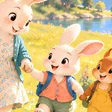

The Nine Stars Return
About this story
On a winter morning before dawn, Rangi and Grandma climb a hill to watch the Pleiades return to the sky and welcome the Māori New Year. On the first day it rains, and on the second day clouds block the view. While they wait, Grandma tells the story of each star, and also talks about Grandpa, whom they miss.
Open in FablehugRead the first page
On a winter night, it was so cold.
Rangi put on Grandpa's red woolly hat. It was a little too big
and kept sliding down to his eyebrows.
What your child takes away
Learning about the Māori New Year, remembering, and giving thanks
Good to know for parents
Matariki is a small cluster of stars, the Pleiades. Each winter (June and July in New Zealand), it reappears low in the eastern sky before dawn, and for Māori this marks the new year. Since 2022, Matariki has also been a public holiday in New Zealand. According to the work of Māori astronomer Dr Rangi Mātāmua, Matariki has nine named stars, each in charge of one thing: Matariki (the mother star, who looks after everyone’s health), Pōhutukawa (who keeps company with those who passed away this year), Tupuānuku (food that grows in the soil), Tupuārangi (food that grows in trees, and birds), Waitī (rivers and fresh water), Waitā (the ocean), Waipuna-ā-rangi (rain), Ururangi (the winds), and Hiwa-i-te-rangi (wishes). Tribes in different regions tell it a little differently: not every tribe counts Pōhutukawa and Hiwa among them, and in some places people watch a different star, Puanga (Rigel). When welcoming Matariki, people call out the names of relatives and friends who passed away this year, and also cook food in an earth oven so the steam rises to the sky as an offering to “feed the stars,” and then they make wishes for the new year. The stargazing trick in the story is real: for a very faint star, staring straight at it makes it harder to see, but looking a little to one side and using the corner of your eye makes it clearer. Before going up a hill before dawn, dress warmly, stay with a grown-up, and stay on the trail; if it rains, don’t go. The story also keeps your child company in missing someone: being afraid of forgetting is because you love them so much. Tell a little story about that person, and their voice and face will come back.


